

In the world of display technology, one of the most common and frustrating issues that can arise is the presence of mura. Mura refers to the unevenness or inconsistency in brightness, color, or texture across a display panel. It is a phenomenon that can greatly impact the visual quality and user experience of a display, and thus, it is crucial to understand, test, and find solutions for the mura problem.
For the LCD display or LCDd panel manufacturer, sell the displays to the customers with mura problem will be a totally disaster, that is why we need know and fixed this problem before we sending it.
What is Mura?
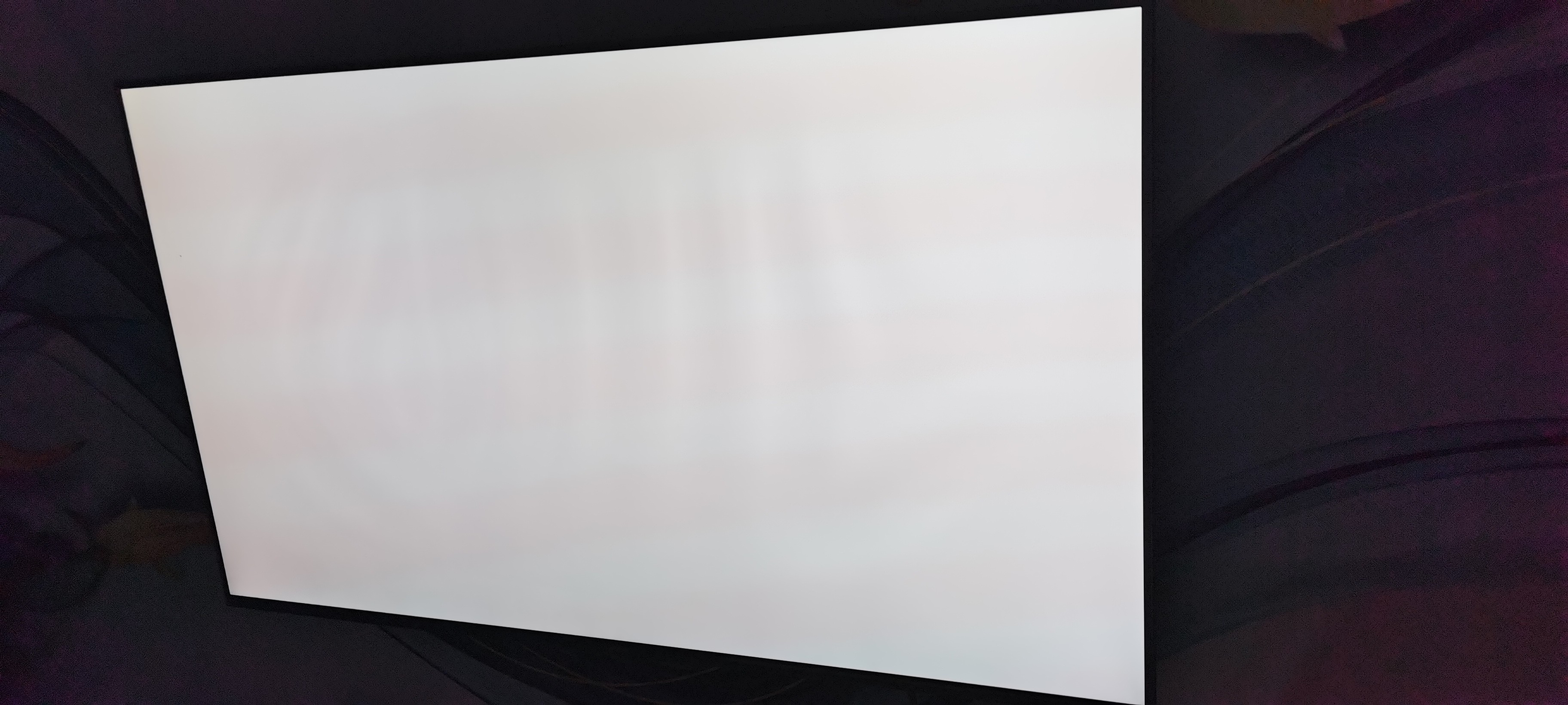
Mura, a Japanese term meaning
"unevenness" or "uneven texture," is a visual defect that
manifests as irregularities in a display's uniformity. It can appear as dark or
light patches, cloudiness, streaks, or spots on the screen. Mura is primarily
caused by variations in the manufacturing process, such as differences in the
thickness or density of liquid crystal layers, inconsistencies in backlighting,
or imperfections in the display's components.
Mura Test:
To identify and quantify the presence of mura in a
display, manufacturers and quality control teams employ a variety of testing
methods collectively known as mura tests. These tests aim to assess the
uniformity and consistency of a display's visual output. Here are some commonly
used mura testing techniques:
1. Visual Inspection: The simplest and most
intuitive method is a visual inspection by trained experts who carefully
examine the display for any visible irregularities. This subjective approach
can be effective for detecting obvious mura problems but may not be suitable
for identifying subtle defects.
2. Gray-Level Analysis: This method involves
displaying a series of gray-level patterns on the screen and analyzing the
measured luminance values. Comparing the luminance levels across different
regions of the display helps identify any mura-related variations.
3. Image Subtraction: By capturing images of a
display with a uniform background and subtracting them from each other, any
differences between the images can be highlighted. Mura defects will appear as
deviations from the expected uniformity.
4. Optical Measurement: Utilizing specialized
equipment like spectroradiometers or colorimeters, optical measurements can be
taken across the display to quantify mura. These measurements provide objective
data on color and luminance variations.
Types of Mura Problems:
Mura problems can manifest in various forms, each
with its own characteristics and impact on the display's performance. Some
common types of mura problems include:
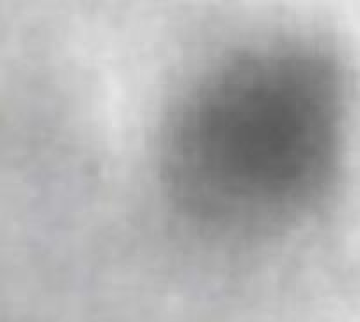
1. Clouding: Clouding refers to the appearance of
uneven backlighting, resulting in cloudy patches or areas of different
brightness on the screen. It is often caused by backlight inconsistencies or
improper light diffusion.
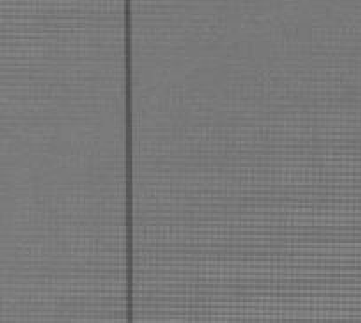
2. Banding: Banding appears as horizontal or
vertical lines of varying brightness or color intensity across the display. It
is typically caused by non-uniform pixel response times or variations in the
driving voltage.
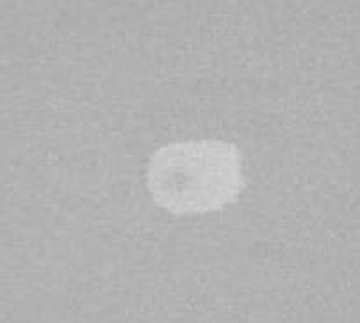
3. Spotting: Spotting refers to the presence of
dark or bright spots on the screen, which can be caused by impurities in the
liquid crystal material or defects in the manufacturing process.
4. Mura Noise: Mura noise is a term used to
describe random fluctuations in brightness or color across the display. It can
result from variations in the liquid crystal molecules' alignment or
non-uniform electric fields.
Solutions for Mura Problems:
Addressing mura problems requires a combination of
manufacturing improvements, quality control measures, and display calibration
techniques. Here are some common solutions employed in the industry:
1. Manufacturing Process Optimization:
Manufacturers can refine their production processes to minimize variations in
component quality, thickness, and density. This involves enhancing the
precision of liquid crystal alignment, improving backlight uniformity, and
reducing impurities.
2. Quality Control Testing: Implementing rigorous
mura testing at various stages of production helps identify and rectify any
defects early on. This includes visual inspection, gray-level analysis, and
optical measurements to ensure consistent quality.
3. Compensation Algorithms: Display manufacturers
can develop compensation algorithms that dynamically adjust the display output
to mitigate mura effects. These algorithms analyze the mura patterns and apply
corrective measures to enhance uniformity.
4. Display Calibration: Users can employ display
calibration techniques to optimize the visual quality of their displays. This
involves adjusting parameters like brightness, contrast, and gamma settings to
compensate for any mura-related inconsistencies.
5. Display Uniformity Enhancement Films:
Specialized films can be applied to the display surface to enhance the
uniformity of light transmission. These films help diffuse light and reduce the
visibility of mura-related irregularities.
Conclusion:
The mura problem poses a significant challenge in
the world of LCD display technology, affecting the visual quality and user
experience of displays. Understanding the concept of mura, employing effective
testing methods, and implementing appropriate solutions are crucial steps
towards minimizing mura-related issues. By continuously improving manufacturing
processes, implementing quality control measures, and utilizing calibration
techniques, display manufacturers and users can mitigate the impact of mura and
ensure a more uniform and visually pleasing display experience.